Analysis

This category contains articles that analyse musical works, discussing what they can teach us as composers, orchestrators and arrangers.

O Little Town of Bethlehem: A Musical Analysis

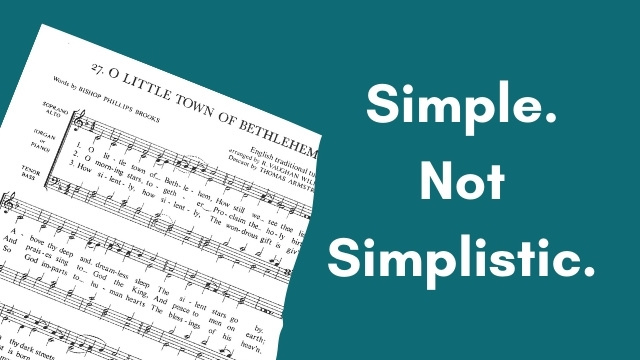
O Little Town of Bethlehem looks simple on the page, but it isn’t simplistic.

In this analysis of the Forest Green version, I explore how Vaughan Williams creates shape, contrast, and finality using a remarkably restrained harmonic palette, showing how small details in form, cadence, and line carry real expressive weight.

O Little Town of Bethlehem: A Musical Analysis Read More »
Les Biches (RM25-6) – Francis Poulenc

Musical Moments is a new series where I focus on larger works—whether in orchestration, length, or complexity—and zoom in on small sections for detailed analysis. I will choose these pieces based on what grabs my attention while listening. Once I find an interesting moment, I isolate it and explore why it stands out to me,

Les Biches (RM25-6) – Francis Poulenc Read More »

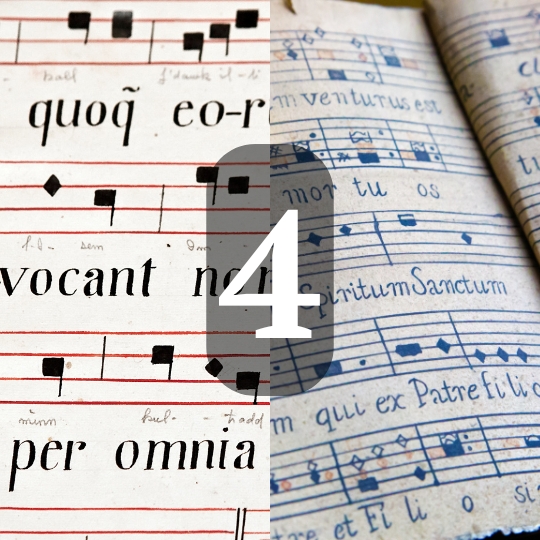
How to Write Fourth Species Counterpoint: A Comprehensive Guide

Fourth Species Counterpoint is a type of music composition that focuses on creating counterpoint through suspension and syncopation, which means that notes are ideally held over from one beat to the next, creating a feeling of tension and release. Fourth species counterpoint is arguably the most complex species compared to the previous types of counterpoint

How to Write Fourth Species Counterpoint: A Comprehensive Guide Read More »

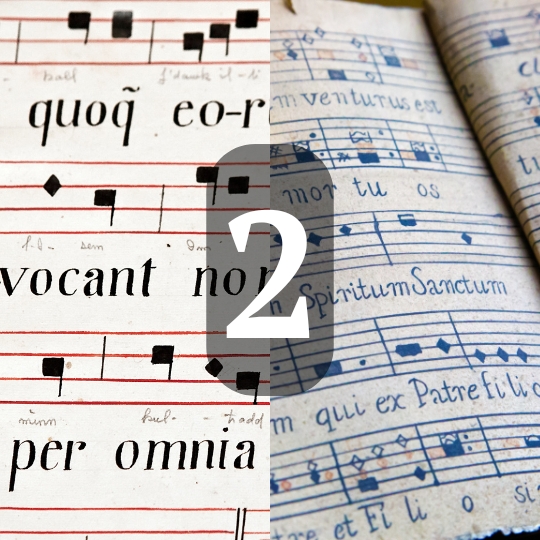
How to Write Second Species Counterpoint: A Comprehensive Guide

Continuing our study of species counterpoint from last week, where we looked at counterpoint in the first order / first species, this week we will look at second species counterpoint. Counterpoint is the art of combining distinct melodic lines in a harmonious manner, forming something of the backbone of Western classical music. Second Species Counterpoint,

How to Write Second Species Counterpoint: A Comprehensive Guide Read More »