
Morning Mood Analysis: How Grieg Turns One Idea into Endless Music
A Composer’s Guide to
Morning Mood Analysis
Edvard Grieg’s “Morning Mood” from Peer Gynt (1876) is one of the most recognisable melodies in classical music.
It is often used to evoke peaceful sunrise scenes, pastoral calm, and gentle optimism.
But beneath its surface lies something far more interesting, and far more useful for composers:
Grieg demonstrates how a small amount of musical material can generate an extraordinary amount of expressive music.
For composers, orchestrators, and media writers, where good ideas are valuable, and great ideas scarce (no matter your talent), knowing how to make the most of an idea is a skill that we all should be working to develop.
In this article, we will explore:
- why Morning Mood works so effectively
- how Grieg builds so much from so little
- and what modern composers can steal from the techniques we explore

The Context Most People Miss
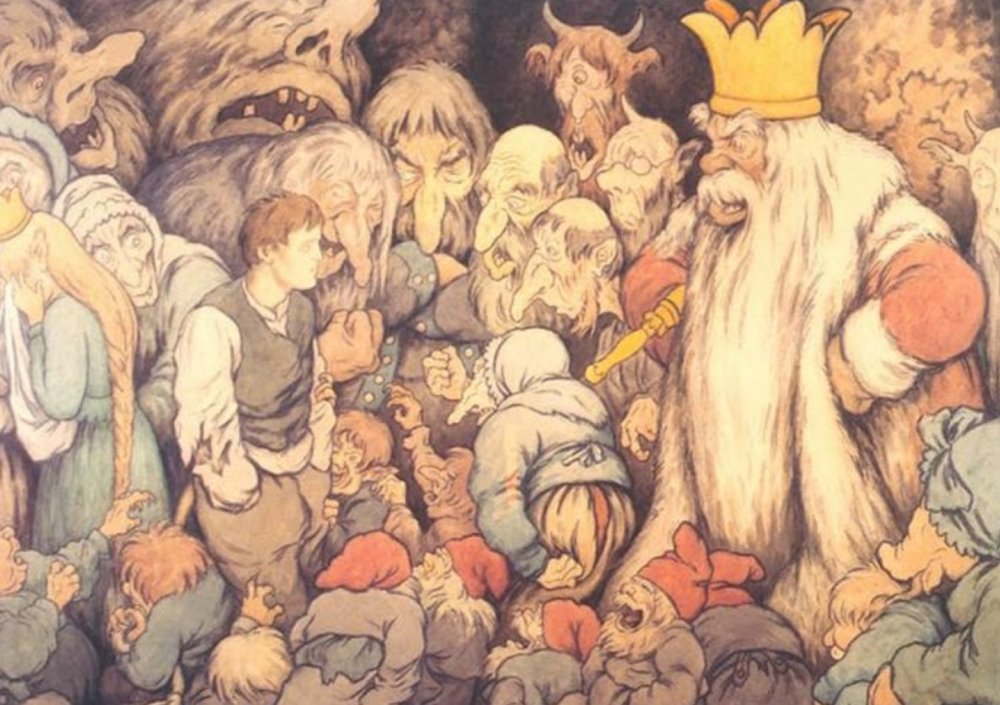
Despite its tranquil character, Morning Mood is not actually depicting a Norwegian sunrise.
In Ibsen’s play, the scene is set in North Africa. The stage directions describe:
Dawn. A grove of acacias and palms. Peer Gynt sits in a tree, warding off monkeys.
In other words: The music is serene, but the situation is chaotic!
This ironic mismatch is deliberate and instructive to us composers.
Lesson for composers:
Music does not always need to mirror the surface action. Sometimes contrast is more powerful.
This technique remains common today in:
- film scoring
- animation
- video game music
- advertising
Grieg was already doing it in 1876.
The Big Structural Move: Ternary Form
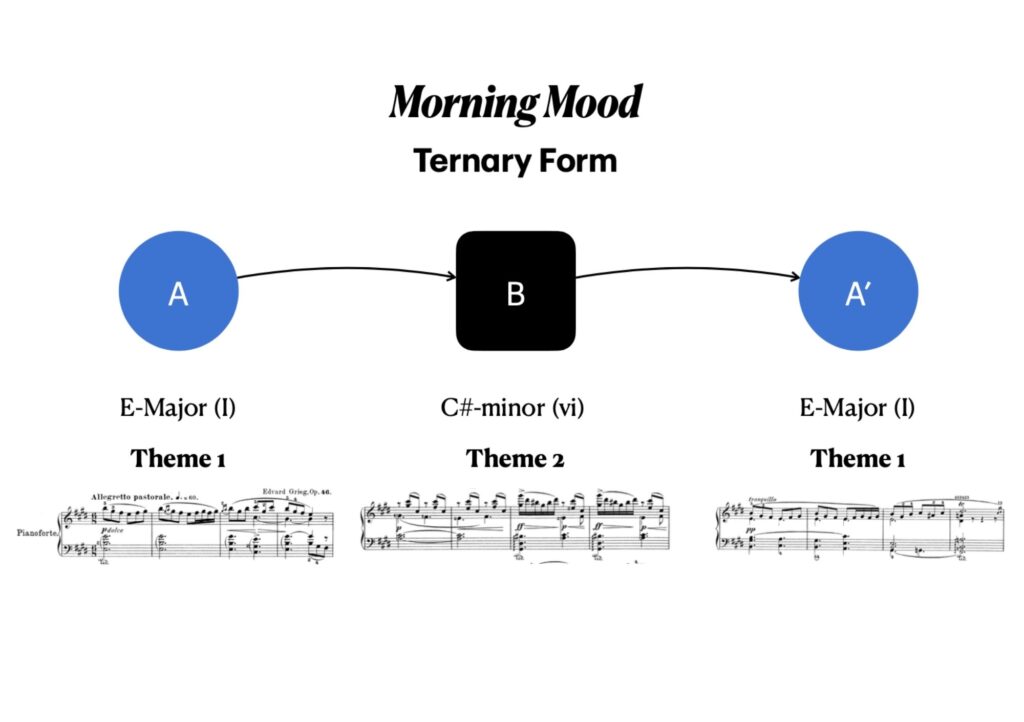
At the largest level, Morning Mood follows a clear ternary structure:
A – B – A′
- A section: peaceful sunrise character
- B section: more tense and searching
- A′ section: return with variation
On paper, this looks simple.
In practice, Grieg uses the form with great sophistication, which we will see more in the following sections as we unearth what Grieg does within each part.
Why ternary form works so well
Ternary form mirrors storytelling:
- exposition
- contrast
- return
Listeners find this deeply satisfying because it balances:
- familiarity
- novelty
- resolution
But Grieg avoids making the return feel mechanical: and that is where the real craft appears.
The Real Magic: Limited Pitch Material
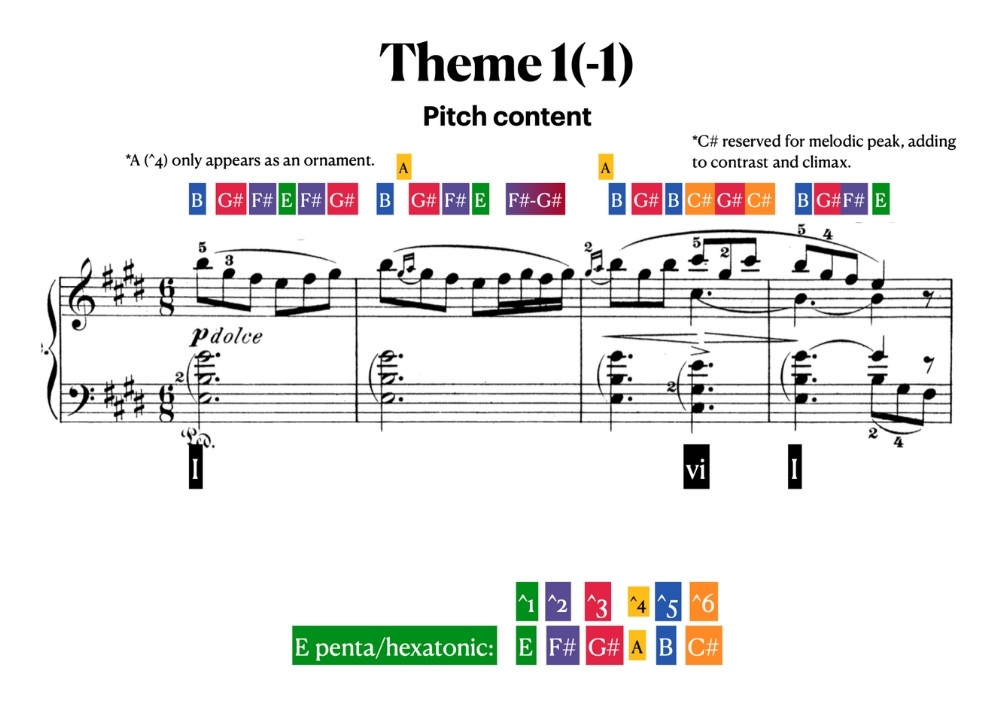
One of the most striking features of the opening melody is how restricted it is.
Grieg largely draws from a pentatonic (or near-hexatonic) collection.
This creates:
- folk-like simplicity
- strong memorability
- pastoral character
- reduced harmonic tension
Crucially:
By avoiding the leading tone, Grieg softens the pull toward cadence.
The result is a melody that feels:
- open
- relaxed
- gently floating
This is one reason the theme feels timeless.
Small Motifs, Big Results
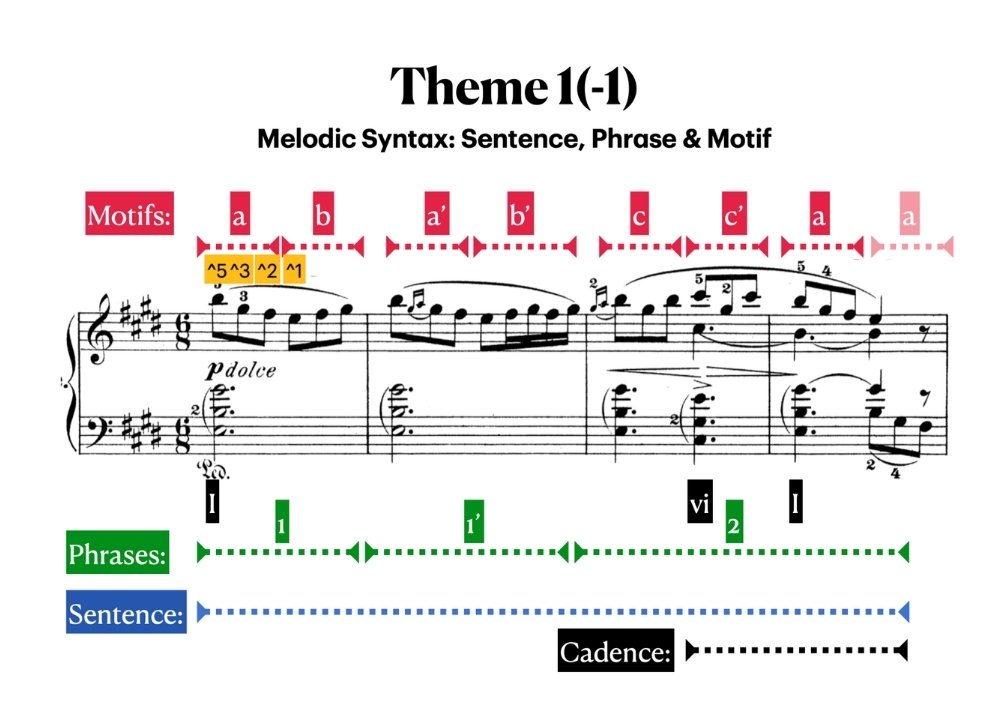
Looking closer, the opening four-bar unit behaves like a complete musical sentence.
Within it we find:
- clear phrase structure
- motivic repetition
- subtle variation
- controlled contour
Nothing is wasted.
This is one of the most important compositional lessons in the entire piece:
Grieg achieves expressive richness not through complexity, but through focus.
Many developing composers do the opposite:
- too many ideas
- too much material
- not enough development
Grieg shows the power of restraint.
Variation Without Losing Identity
As the movement unfolds, Grieg keeps the music alive through three main techniques:
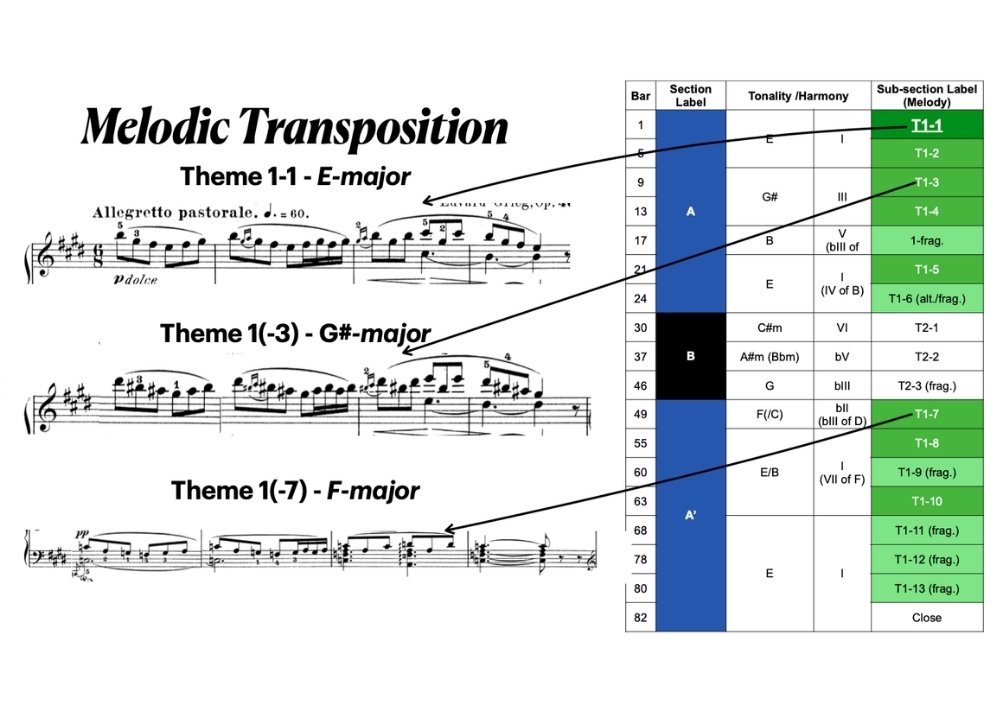
1. Transposition
The theme reappears in new keys while preserving its intervallic identity.
This gives:
- freshness
- continuity
- Recognisability
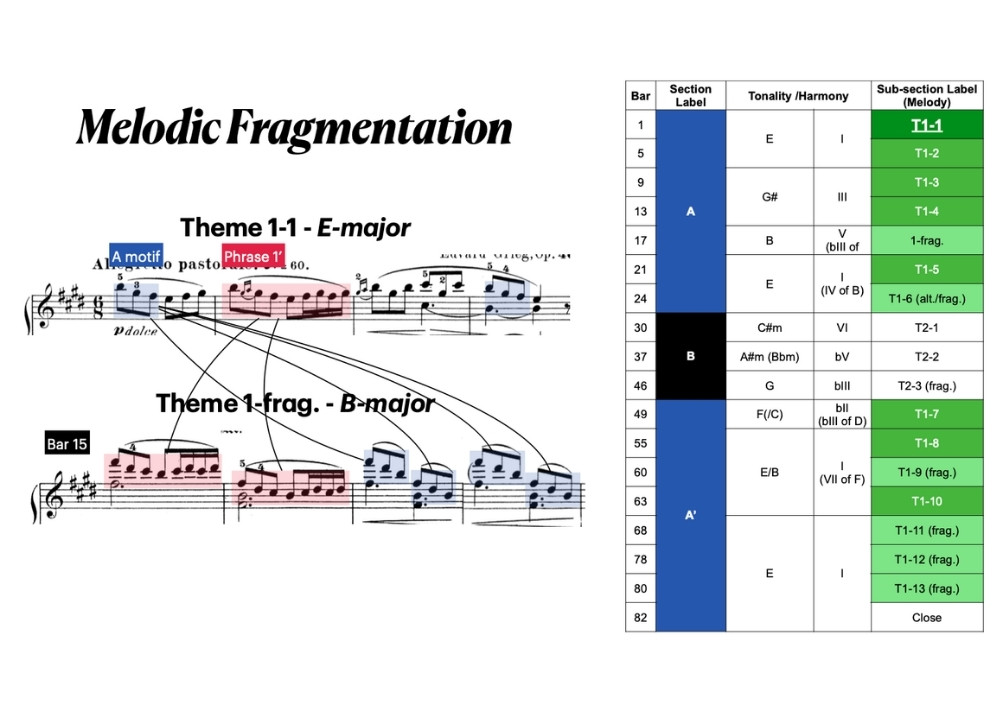
2. Fragmentation
Rather than always restating the full melody, Grieg often uses fragments.
This:
- maintains momentum
- avoids predictability
- creates organic development
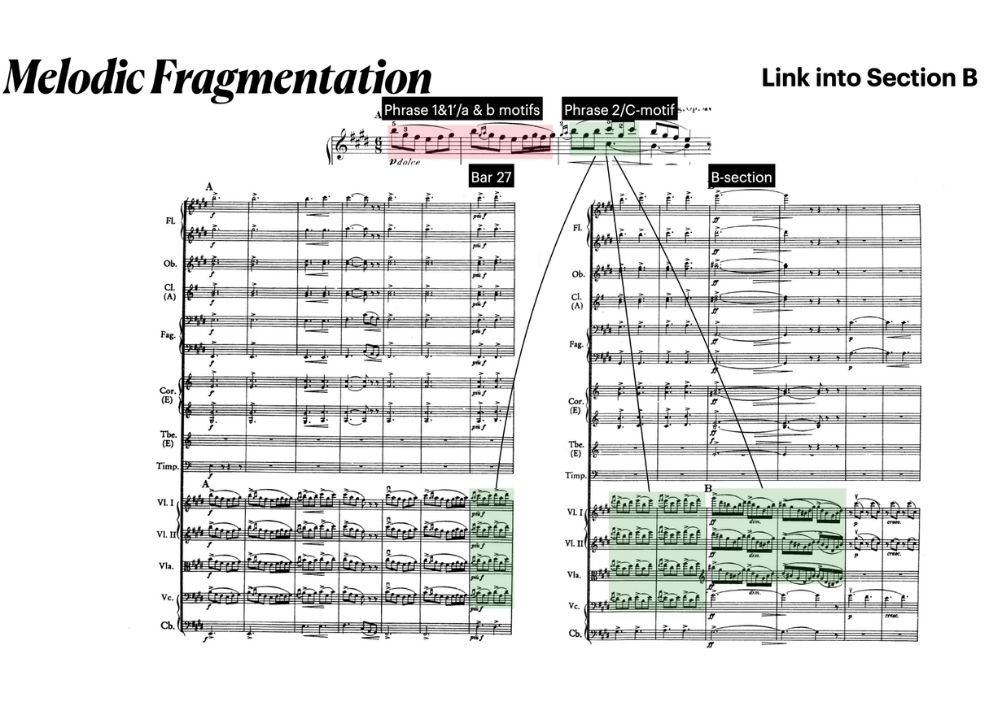
3. Motivic Transformation
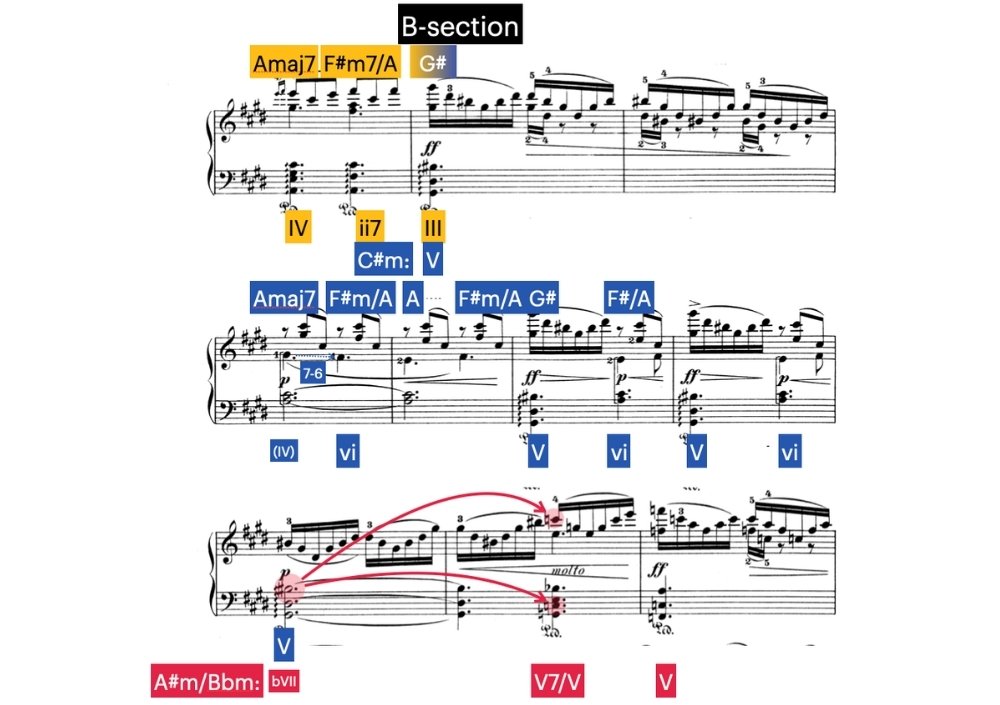
At one point, material from the main theme becomes accompaniment in the B section.
This is sophisticated writing.
The listener feels continuity even while the musical surface changes.
The Middle Section: Controlled Tension
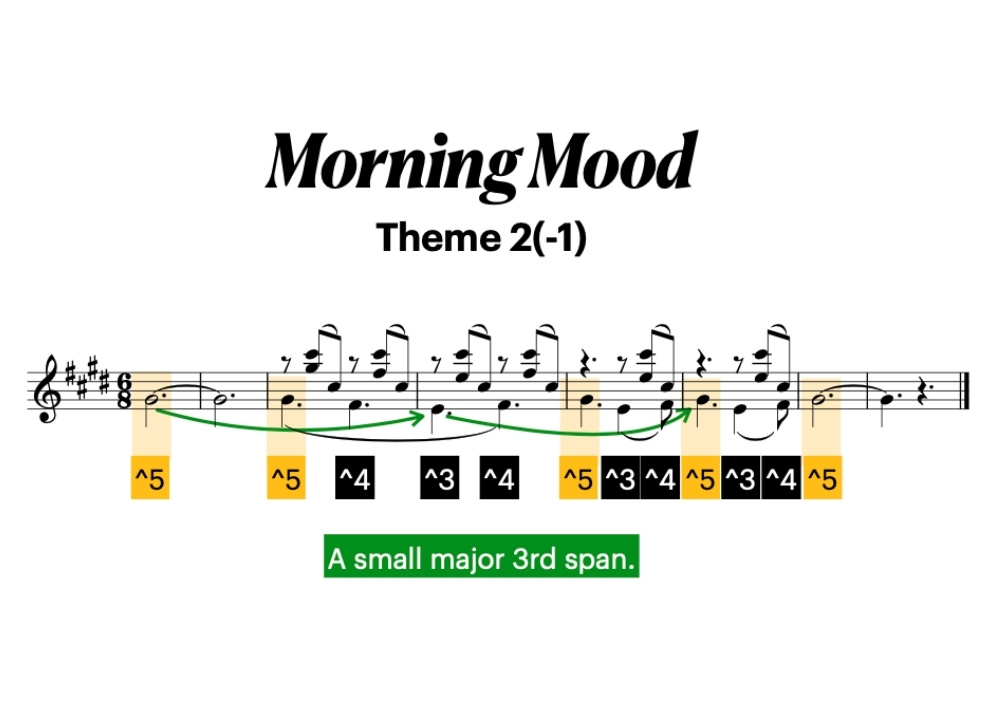
The B section provides contrast through several clever constraints:
- very narrow melodic range
- emphasis on the dominant
- avoidance of the tonic
- persistent suspensions
The effect is subtle but powerful:
We feel instability without overt drama.
For a century that is full of melodrama and melancholy, this kind of restraint is refreshing and novel.
For media composers especially, this is an extremely useful model for writing:
- reflective tension
- suspended emotion
- psychological unease
without resorting to clichés.
What Modern Composers Should Steal
If there is one core lesson from Morning Mood, it is this:
Musical richness does not require large amounts of material.
Grieg shows how to build compelling music through:
- limited pitch sets and ranges
- tight motivic control
- careful harmonic colour
- strategic variation
This approach remains highly relevant for:
- film composers
- game composers
- minimalist writers
- orchestral composers
- media scoring generally
Want to Go Deeper?
In the full Learning from Grieg course, we go much further into:
- the full harmonic plan
- deeper motivic connections
- orchestration techniques
- phrase-level construction
- practical composition takeaways
If you found this breakdown useful, the complete course walks step-by-step through how Grieg achieves these effects, and how you can apply them in your own writing. It’s also a great way to support my writing and teaching of music composition, while getting something inexpensive but rewarding back for yourself: